National Flower Day: History, Meaning, and Meaningful Ways to Celebrate

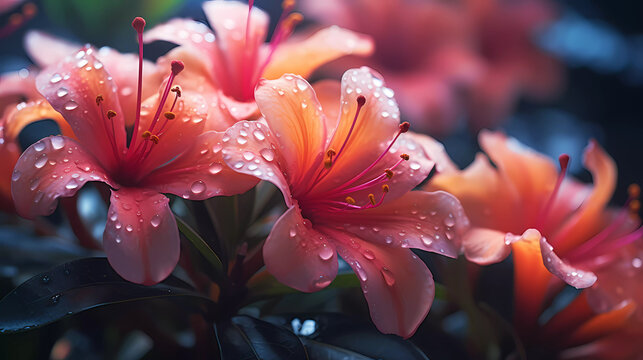
National Flower Day is a celebration that quietly reminds us how deeply flowers are woven into our lives. Observed every year on March 21, this day marks the arrival of spring and highlights the beauty, symbolism, and emotional comfort flowers bring to people around the world. From simple garden blooms to carefully arranged bouquets, flowers speak a universal language of care, renewal, and connection.
This guide is written to feel natural, thoughtful, and genuinely helpful. It goes beyond surface-level facts to explain why National Flower Day matters, how it began, and how you can celebrate it in ways that feel personal and meaningful. Whether you are a casual reader, a student, a gardener, or someone interested in seasonal traditions, this article is designed to answer your questions clearly and completely.
What Is National Flower Day?
National Flower Day is an annual observance dedicated to appreciating flowers in all their forms. It encourages people to notice flowers not just as decorative objects, but as living parts of nature that influence emotions, culture, and the environment. Celebrated on March 21, the same period as the spring equinox, the day represents growth, balance, and fresh beginnings.
Flowers have always been tied to important moments in life. They appear at weddings, birthdays, religious ceremonies, funerals, and everyday gestures of kindness. National Flower Day brings attention to this shared human experience and invites people to reconnect with nature through something simple and familiar.
When Is National Flower Day Celebrated?
National Flower Day takes place every year on March 21. This date was chosen because it closely aligns with the first day of spring in the Northern Hemisphere. As winter fades and plants begin to bloom, flowers become one of the clearest signs that the season is changing.
Because of this timing, National Flower Day naturally feels optimistic and refreshing. It encourages people to step outside, observe their surroundings, and welcome the new season with a sense of appreciation and calm.
The History and Origin of National Flower Day
While there is no single official record explaining who created National Flower Day, the idea behind it is rooted in thousands of years of human history. Flowers have been cultivated and admired since ancient civilizations. The Egyptians used them in rituals and medicine, the Greeks and Romans associated them with gods and myths, and Asian cultures have long celebrated flowers through festivals, art, and poetry.
In the 19th century, flowers gained even deeper meaning through floriography, also known as the language of flowers. During the Victorian era, people used flowers to express emotions that could not be spoken openly. Each bloom carried a specific message, turning bouquets into thoughtful forms of communication.
National Flower Day likely developed as a modern observance inspired by this long-standing relationship between humans and flowers, combined with the symbolic importance of spring and renewal.
Why National Flower Day Matters
National Flower Day may seem simple, but its importance reaches far beyond appearances. Flowers affect emotional well-being, support ecosystems, and carry cultural meaning across societies.
Emotional and Mental Benefits
Research and everyday experience both show that flowers have a positive effect on mood. They can reduce stress, improve focus, and create feelings of comfort and happiness. Even a small bouquet on a desk or table can change the atmosphere of a room. National Flower Day reminds people to pause and enjoy these quiet emotional benefits.
Environmental Importance
Flowers play a vital role in nature. They support pollinators such as bees, butterflies, and birds, which are essential for plant reproduction and food production. Without flowers, many ecosystems would struggle to survive. Observing National Flower Day also encourages conversations about conservation, native plants, and sustainable gardening.
Cultural and Symbolic Value
Every culture assigns meaning to flowers. Roses often symbolize love, lilies are associated with remembrance, and lotus flowers represent purity and spiritual growth in many Asian traditions. National Flower Day creates space to appreciate these cultural connections and the shared symbolism that flowers carry across borders.
Popular Flowers and Their Meanings
Understanding flower symbolism adds depth to National Flower Day celebrations. Some commonly admired flowers include:
- Rose: Love, passion, respect, and admiration
- Tulip: New beginnings and sincere affection
- Lily: Purity, renewal, and remembrance
- Daisy: Innocence, joy, and simplicity
- Sunflower: Happiness, loyalty, and positivity
- Orchid: Strength, beauty, and elegance
These meanings make flowers more than gifts. They become thoughtful expressions of emotion and intention.
Read Also: Exploring Techslassh com: Your Gateway to All Things Tech
How People Celebrate National Flower Day
There is no single way to celebrate National Flower Day. The focus is on appreciation rather than formality, which makes the day accessible to everyone.
Gifting Flowers
Many people choose to give flowers to family members, friends, teachers, or coworkers. A simple bouquet can express gratitude, love, or encouragement without the need for words.
Planting and Gardening
Planting flowers is another meaningful way to observe the day. Whether it’s a garden, balcony pot, or community space, planting flowers symbolizes hope and long-term care for the environment.
Visiting Gardens and Flower Displays
Botanical gardens, parks, and flower shows often attract visitors around this time of year. These spaces offer a chance to learn about different plant species and enjoy nature in a peaceful setting.
Sharing the Day Online
Many people share photos, stories, and flower-related content on social media. This helps spread awareness of National Flower Day and encourages others to take part.
National Flower Day Around the World
Although National Flower Day is most commonly recognized in the United States, similar flower celebrations exist worldwide. Japan’s cherry blossom season, known as Hanami, draws millions of people each spring. In the United Kingdom, flowers play a major role in public events and royal traditions. South Asian countries, including Pakistan and India, host flower shows that celebrate local plant life and gardening culture.
These traditions highlight a shared global appreciation for flowers, even if the celebrations differ in form.
The Connection Between National Flower Day and Spring
Spring is a season of renewal, and flowers are its most visible symbol. National Flower Day’s placement at the start of spring reinforces themes of growth, balance, and new beginnings. Many people use this time to refresh their homes, set new goals, or spend more time outdoors.
Flowers remind us that change can be gentle and beautiful. This message is at the heart of National Flower Day.
National Flower Day for Businesses and Creators
National Flower Day also holds value for businesses, especially florists, gardeners, educators, and eco-conscious brands. Many florists create seasonal arrangements or offer educational content about flower care. Bloggers and creators share personal stories, guides, and photography related to flowers and spring.
When approached thoughtfully, these efforts add value rather than feeling promotional, aligning with the spirit of the celebration.
Simple Ways to Celebrate at Home
Celebrating National Flower Day does not require expensive plans. Small, mindful actions can make the day special:
- Buy or pick a small bouquet for yourself
- Rearrange flowers already in your home
- Learn about your country’s national flower
- Press flowers for crafts or journals
- Take a walk and observe local blooms
These quiet moments of appreciation are often the most rewarding.
Educational Value of National Flower Day
National Flower Day is also an opportunity for learning. Schools and families often use it to teach children about plants, responsibility, and the environment. Activities such as planting seeds or identifying flowers encourage curiosity and respect for nature.
For adults, learning about flowers can spark interest in gardening, sustainability, and cultural history.
Sustainability and Responsible Celebration
As interest in environmental issues grows, National Flower Day encourages responsible choices. Supporting local growers, choosing seasonal flowers, and planting native species help protect ecosystems and reduce environmental impact.
Celebrating thoughtfully ensures that flowers remain part of our lives for generations to come.
Final Thoughts
National Flower Day is a gentle but meaningful celebration. It reminds us to slow down, appreciate natural beauty, and reconnect with the world around us. Flowers have accompanied humanity through joy, loss, and everyday life, carrying messages that words often cannot.
As spring begins, National Flower Day offers a chance to welcome renewal, kindness, and connection. Whether you celebrate by gifting flowers, planting seeds, or simply noticing what is already blooming, the spirit of the day lies in appreciation. In honoring flowers, we also honor nature, culture, and the shared human experience.