Hanukkah, also spelled Chanukah, is one of the most meaningful and widely recognized Jewish festivals in the world. Often referred to as the Festival of Lights, Hanukkah is an eight-day celebration that usually takes place in late November or December, depending on the Hebrew calendar. While many people associate it with candle lighting, traditional foods, and family gatherings, Hanukkah is rooted in a powerful historical story that centers on faith, perseverance, and the struggle for religious freedom.
Unlike some holidays that focus primarily on ritual obligations, Hanukkah blends history, symbolism, and community celebration. It reminds Jewish people and those learning about the festival of a moment in history when a small group stood up against oppression and preserved their identity. Over time, Hanukkah has evolved into a festival that connects ancient events with modern values, making it deeply relevant even today.
What Is Hanukkah?
Hanukkah is a Jewish festival that commemorates the rededication of the Second Temple in Jerusalem during the second century BCE. The holiday’s name comes from the Hebrew word Hanukkah, meaning “dedication.” This dedication refers to restoring the Temple after it had been desecrated by foreign rulers who attempted to suppress Jewish religious practices.
At the heart of Hanukkah is the story of a miracle. When the Jewish rebels reclaimed the Temple, they discovered only a small amount of ritually pure oil enough to light the Temple’s menorah for one day. According to tradition, that oil burned for eight days, allowing time to prepare more. This event became known as the Miracle of the Oil, and it is the reason Hanukkah is celebrated for eight nights.
The Historical Story Behind Hanukkah
The events of Hanukkah took place during a turbulent period when Judea was under the rule of the Seleucid Greek Empire. King Antiochus IV enforced laws that banned Jewish religious practices, including Sabbath observance and Torah study. He also placed idols in the Holy Temple, an act that deeply offended the Jewish population.
In response, a small group of Jewish fighters known as the Maccabees launched a revolt. Despite being vastly outnumbered and lacking resources, they succeeded in defeating the Greek forces and reclaiming Jerusalem. Their victory was not just political or military it symbolized the triumph of spiritual resilience and faith over forced assimilation.
Hanukkah preserves this history as a reminder that cultural identity and religious freedom are worth defending, even in the face of overwhelming odds.
Why Hanukkah Is Called the Festival of Lights
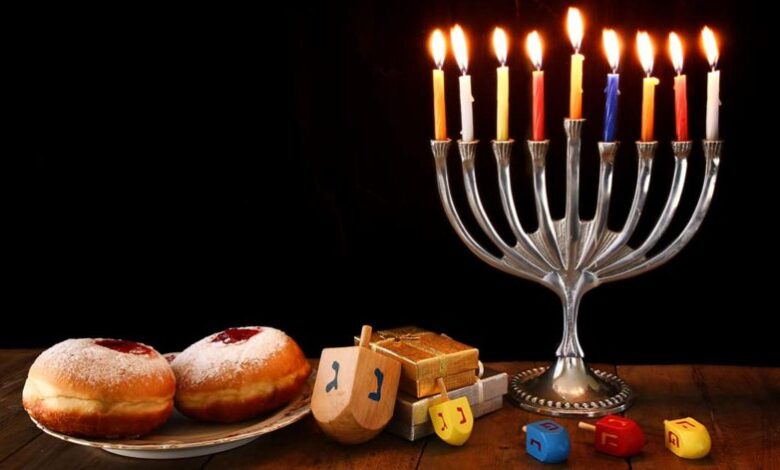
Hanukkah is widely known as the Festival of Lights because light plays a central symbolic role in the celebration. Each evening, families light candles on a special nine-branched menorah known as a hanukkiah. One candle is added each night until all eight are lit, using a helper candle called the shamash.
The growing light of the menorah represents hope, endurance, and the idea that even a small flame can overcome great darkness. For many people, this symbolism extends beyond religion, offering a universal message of optimism during difficult times.
How Hanukkah Is Celebrated Today
Hanukkah is celebrated over eight nights, with traditions that bring families and communities together. While practices may vary across cultures and regions, the core customs remain consistent and meaningful.
Each night typically includes lighting the menorah, reciting blessings, and singing traditional songs. Families often gather to share meals, tell the Hanukkah story, and enjoy time together. Public menorah lightings have also become common in many cities, reinforcing the holiday’s theme of sharing light openly and proudly.
Traditional Hanukkah Customs and Practices
Hanukkah includes a variety of customs that make the holiday engaging for people of all ages. These traditions help keep the story alive while creating lasting memories.
- Lighting the menorah nightly to commemorate the miracle
- Singing traditional Hanukkah songs
- Giving small gifts or gelt (coins or chocolate coins)
- Playing games, especially with children
These customs are designed not only to honor history but also to pass values from one generation to the next.
Hanukkah Foods and Their Symbolic Meaning
Food is an essential part of Hanukkah celebrations, particularly dishes cooked in oil. These foods symbolize the miracle of the oil that burned longer than expected in the Temple.
Popular Hanukkah foods include crispy potato pancakes known as latkes and sweet jelly-filled doughnuts called sufganiyot. Families often enjoy these foods together, reinforcing the connection between history, tradition, and celebration. The emphasis on oil serves as a delicious reminder of the festival’s origins.
The Dreidel Game: Fun With History
The dreidel is a four-sided spinning top commonly played with during Hanukkah, especially by children. Each side displays a Hebrew letter that together forms a phrase meaning “A great miracle happened there.”
Beyond being a fun game, the dreidel has historical significance. According to tradition, it was used as a distraction during times when Jewish learning was forbidden, allowing children to study religious texts in secret. Today, it remains a playful way to connect younger generations to the holiday’s deeper meaning.
The Menorah and Its Spiritual Significance
The Hanukkah menorah is the most recognizable symbol of the holiday. Unlike the seven-branched menorah of the ancient Temple, the Hanukkah menorah has nine branches one for each night of the festival and one for the shamash candle.
Placing the menorah in a window or visible area is encouraged, as it represents the idea of spreading light and sharing the miracle with others. This practice emphasizes pride in faith and the importance of public remembrance.
Hanukkah in the Modern World
In modern times, Hanukkah is celebrated across the globe, blending ancient traditions with contemporary customs. In some communities, gift-giving has become more prominent, especially in places where Hanukkah coincides with other winter holidays.
Despite these modern influences, the core meaning of Hanukkah remains unchanged. It continues to focus on faith, identity, and the resilience of a people who refused to abandon their beliefs.
Key Themes of Hanukkah (Bullet Points)
- Religious Freedom: Hanukkah celebrates the right to practice faith without oppression.
- Resilience and Courage: The Maccabees’ victory highlights determination against impossible odds.
- Hope and Light: The menorah reminds us that light can grow even in dark times.
Why Hanukkah Still Matters Today
Hanukkah’s message extends far beyond its historical origins. In today’s world, where many communities continue to face challenges related to identity and belief, the festival serves as a reminder of the importance of standing firm in one’s values.
By celebrating Hanukkah, families keep alive a story that speaks to perseverance, unity, and hope. These timeless lessons make the festival meaningful not only for Jewish communities but also for anyone interested in history, culture, and human resilience.
Conclusion
Hanukkah is much more than a holiday marked by candles and traditional foods. It is a deeply meaningful festival that honors faith, history, and the enduring power of hope. Known as the Festival of Lights, Hanukkah reminds us that even a small act of belief can illuminate the darkest moments.
Through its rituals, stories, and symbols, Hanukkah continues to inspire reflection and connection making it one of the most enduring and respected Jewish festivals in the world.